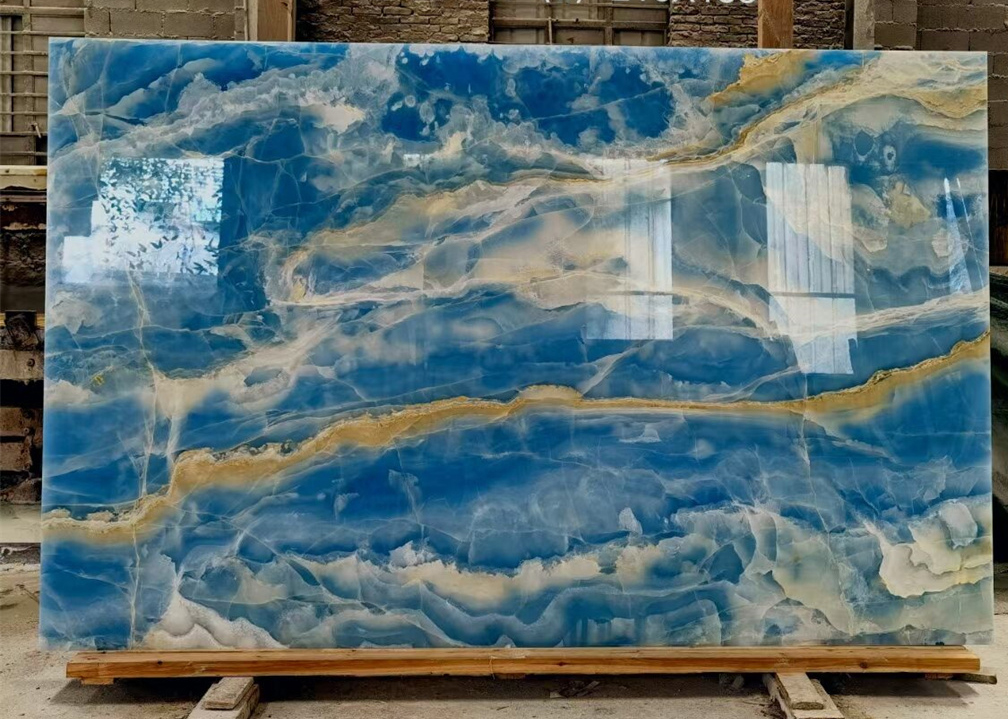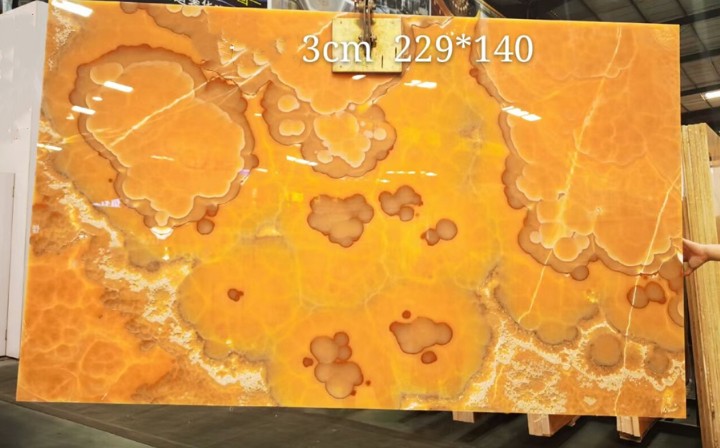
Why do you choose leeste?
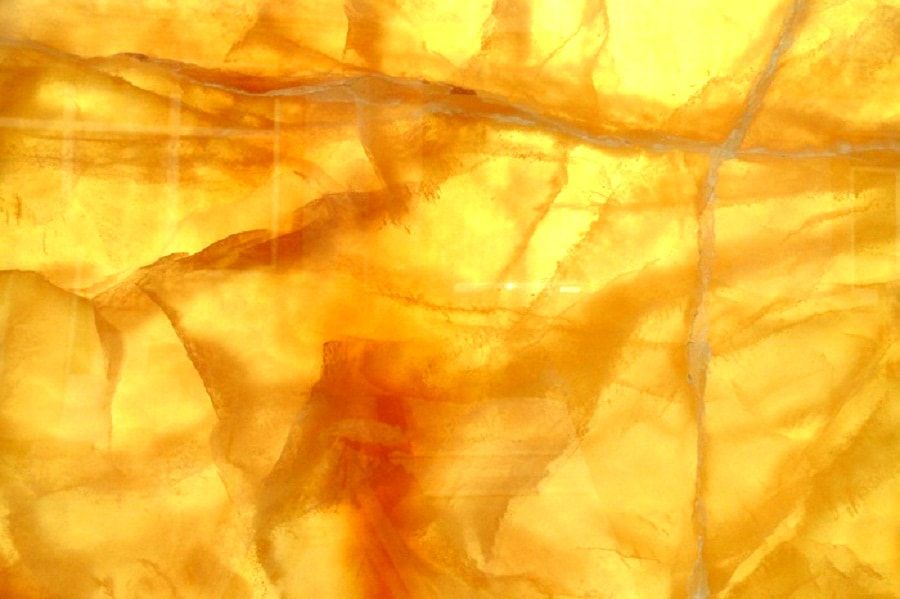
What is Marble?
Marble is a type of metamorphic rock that is formed from the metamorphism of limestone. It is known for its distinctive appearance, which includes a smooth and often glossy surface, along with a wide range of colors and patterns. Marble has been used for various purposes for thousands of years due to its aesthetic appeal, durability, and versatility.
Here are some key characteristics and information about marble:
- Composition: Marble is primarily composed of the mineral calcite, which is a form of calcium carbonate. Other minerals and impurities present during its formation can contribute to its color and veining patterns.
- Formation: Marble is formed through the metamorphism of limestone, a sedimentary rock composed mostly of calcite. The heat and pressure that occur within the Earth's crust cause the limestone to recrystallize and undergo chemical changes, transforming it into marble.
- Colors and Patterns: Marble comes in a wide array of colors, including white, gray, black, green, pink, and various shades in between. The presence of different minerals and impurities during formation contributes to the coloration and veining patterns that marble is known for.
- Finishes: Marble can be finished in various ways to achieve different textures and appearances. Common finishes include polished (smooth and glossy), honed (matte and smooth), brushed (textured), and tumbled (aged and weathered).
- Uses: Marble is used for a variety of applications, both practical and decorative. It has been historically used for sculptures, architecture, flooring, wall cladding, countertops, and decorative objects.
- Varieties: Different types of marble are found in various parts of the world, and each type has its unique characteristics. For example, Carrara marble from Italy is famous for its white and gray tones, while Verde Guatemala marble from Brazil is known for its green color.
- Maintenance: While marble is durable, it can be susceptible to scratching, staining, and etching from acidic substances. Proper sealing and regular maintenance are important to preserve its appearance and longevity.
- Symbolism: Throughout history, marble has been associated with luxury, beauty, and artistic expression. It has been used in iconic sculptures and architectural marvels from ancient civilizations to modern times.
Marble's aesthetic appeal and versatility have made it a popular choice for a wide range of applications in art, architecture, and interior design. However, due to its natural characteristics and maintenance requirements, it's essential
to carefully consider its use in specific settings and consult with professionals if needed.
How to choose Marble?
Choosing marble involves several considerations to ensure that you select the right type of marble for your specific needs and preferences. Here's a step-by-step guide to help you choose the most suitable marble for your project:
Purpose and Location:
- Determine where you plan to use the marble (e.g., countertops, flooring, wall cladding, etc.).
- Consider the level of traffic and wear and tear the marble will endure in that location.
- Desired Look and Aesthetics:
- Decide on the color, pattern, and overall aesthetic you want to achieve. Marble comes in a variety of colors and patterns, from subtle to bold.
- Consider the existing decor and design of the space to ensure the marble complements the overall theme.
Finish and Texture:
- Choose the finish that suits your preference and the practical needs of the area. Options include polished (shiny), honed (matte), brushed (textured), and more.
- Keep in mind that different finishes can affect the marble's appearance, maintenance requirements, and slip resistance.
Durability and Maintenance:
- Research the durability of different marble types. Some marbles are more resistant to stains and scratches than others.
- Consider the maintenance requirements, including sealing frequency and cleaning methods.
Budget:
- Set a budget for your project. Marble prices can vary significantly based on type, quality, origin, and availability.
Research and Samples:
- Research different types of marble to learn about their characteristics, pros, and cons.
- Obtain samples of the marbles you're interested in to see how they look in your space under various lighting conditions.
Test Compatibility:
- If possible, test the marble samples in the intended location to observe how they interact with the existing lighting, decor, and other elements.
Source and Supplier:
- Choose a reputable and reliable supplier or distributor known for quality and ethical sourcing.
- Check reviews and testimonials from previous customers to gauge their reputation.
Sustainability and Ethical Sourcing:
- If ethical and sustainable practices are important to you, inquire about the supplier's sourcing methods and certifications.
Consultation:
- If you're unsure about your choice, consult with interior designers, architects, or professionals who specialize in natural stone to get expert advice.
Remember that choosing marble is a personal decision that depends on your unique preferences and needs. Taking your time to research, gather information, and make informed choices will help you select the marble that enhances the beauty and functionality of your space.
When looking for a stone product supplier, consider factors like product quality, variety of stone materials offered, pricing, delivery options, customer reviews, and their experience in the industry. It's also a good idea to inquire about their customer service and return policies. Additionally, ensure that the supplier adheres to ethical and sustainable practices if environmental concerns are important to you. This is our the most outstanding advantage which can provide ethical and environmental suitable product. As for ethical products, all we know is ethical stone products refer to those that are sourced and manufactured with consideration for social, environmental, and labor related issues. The stone industry, like many other industries, can have potential ethical concerns, and it's essential for consumers to be aware of these issues and make responsible choices when purchasing stone products. If you choose us, we will never disappointed you.Yellow Honey Onyx Marble is a type of natural stone known for its stunning appearance, which resembles the golden hue of honey. It is a variety of onyx marble, a type of calcareous stone formed from the deposition of calcium carbonate minerals.
Choose us-- LEESTE is your best choice!