Key Differences Between Cultured Stone And Natural Stone
2024-05-22
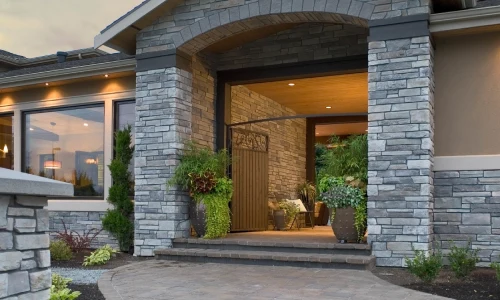
Natural stone and manufactured cultured stone are the two most popular types of stone veneers on the market. But what exactly is veneer stone? Veneer stone is a thin layer of decorative stone, typically used for feature walls and building facades, and it is not designed to be load-bearing.
Natural stone veneer is made from real, quarried stone that is sliced into thin pieces or otherwise shaped to suit your design needs. True to its name, natural stone veneer offers authentic textures, irregularities, and tonal variations, giving it a natural and rustic look. Historically, natural stone was the sole option for these types of projects until about 60 years ago, when cultured stone was introduced.
So, what is cultured stone cladding, and how is it made? Cultured stone is a man-made product designed to replicate the appearance of natural stone while being lighter and easier to install. It is composed of concrete and aggregate materials that are pressed into molds. To achieve a natural stone look, it is stained, sprayed, or painted in colors and patterns that mimic real stone. Although cultured outside stone wall panels and natural stone might look similar at first glance, there are several factors to consider when choosing between the two.
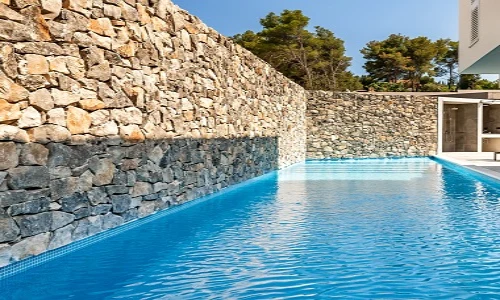
What Is The Difference in Cost?
The cost comparison between natural stone veneer and manufactured stone veneer is more nuanced than it appears. While it might seem that cultured stone is the more economical option, this is not entirely accurate. Although the initial installation costs for both types of stone veneers are comparable and cultured stone may initially appear less expensive, natural stone proves to be more cost-effective in the long run.
Cultured stone wall may have a lower upfront cost, but its durability is inferior to that of natural stone. Natural stone, while slightly more expensive initially, boasts greater longevity and retains its high-quality appearance over time. However, it's worth noting that high-end cultured stone can closely mimic the look of natural stone, and the difference in the cost of the raw materials between the two options is relatively minor.
How Hard Is The Installation Process?
The greatest advantage of using cultured stone veneer lies in its ease of installation, largely due to its lighter weight and lower density. Manufactured stone is lighter, easier to cut, and simpler to handle, making it suitable for application on a wider range of substrates, including drywall. This makes cultured stone ideal for do-it-yourself installations.
In contrast, natural stone can only be installed directly on porous surfaces like stone, concrete, or block. For smooth surfaces, a metal lath and scratch coat are necessary to ensure proper adhesion of the thin stone sheets. Additionally, using real stone for walls is more challenging because it is denser and harder to cut compared to cultured stone.
Which One Looks Better?
If you're seeking the most aesthetically pleasing option for your design, a real stone exterior should be your top choice. Natural stone offers an undeniable beauty with its appealing texture that invites touch. Each stone is unique, ensuring that your walls won't exhibit a repetitive pattern.
Natural stones come in a variety of colors, allowing you to create an interesting design by mixing different hues or maintaining a subtle, natural uniformity with stones of similar shades.
Cultured stones are crafted to mimic natural stones using paints and stains. While they generally provide a good imitation, the paint on cultured stones will eventually fade due to sunlight and other elements. However, being man-made, cultured stones offer a wider selection of colors and styles to choose from.
How Weight and Size Are Different?
The weight difference between cultured stone and natural stone is significant, with cultured stone weighing about half as much as natural stone, which is approximately 13 pounds per square foot. In terms of size, full-dimension cultured stone typically starts at about 2 inches thick and can range up to 6-8 inches thick, with faces up to 14 inches in diameter. Some people choose thin stone veneer, a sub-category of cultured stone that ranges from 1 inch to 2 inches thick. Natural stone, on the other hand, is less varied in size, with thicknesses ranging from a minimum of ¾ inch to a maximum of 1½ inches.
Which One Lasts Longer?
When debating real stone vs. faux stone, longevity is a crucial factor to consider. Properly installed natural stone veneer offers exceptional durability, ensuring that it maintains its original look and feel for a lifetime. This means you won't have to worry about the quality or beauty of your space diminishing over time.
One of the standout benefits of natural stone veneer is its inherent color retention. Unlike cultured stone, which relies on paints and stains that can fade with exposure to sunlight and the elements, natural stone retains its color naturally. This ensures that your stone veneer will continue to look as vibrant and appealing as the day it was installed.
Moreover, natural stone veneer offers a timeless versatility. Its classic and authentic appearance ensures that it can seamlessly integrate with any future landscaping projects or design changes you might undertake. This adaptability means you won't need to replace your stone veneer to accommodate new aesthetic preferences or functional needs, making it a sustainable and cost-effective choice in the long run.
In summary, natural stone veneer not only provides an enduring and beautiful finish but also offers the flexibility to complement any future design endeavors, making it a superior choice for those prioritizing longevity and aesthetic consistency in their projects.
Verdict
So, what's the final verdict in the cultured stone vs. natural stone debate? Let's weigh the pros and cons.
Manufactured stones, while easier to install due to their lighter weight, tend to fade and lose color over time. This lightweight nature, while beneficial for installation, makes them less durable. They are also more difficult to maintain, as they cannot withstand pressure washing or scrubbing and are often more vulnerable to the elements. Additionally, cultured stones often appear more uniform and repetitive, which can detract from a natural design aesthetic.
On the other hand, natural stone offers a more authentic look with its naturally occurring varied colors and patterns. It lasts longer, maintaining its vibrant color even after years of exposure to sunlight and precipitation. In the long run, natural stone is more affordable because it requires less maintenance and doesn't need to be replaced due to deterioration.
Leeste's exterior cultured stone, known for its exceptional quality, is ideal for decoration. Leeste's wall cladding stone offers a wide variety of colors and features, allowing you to find the perfect fit for your needs.
What Are Onyx Tiles?
Related Article
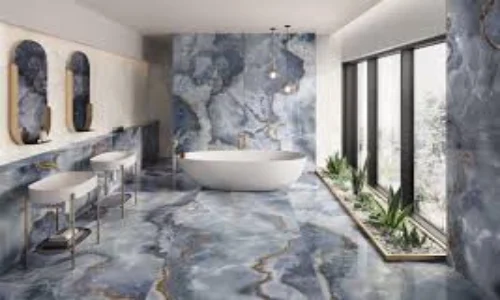
If you're looking for a unique and striking take on marble tiles, our onyx tiles collection might be just what you need.
What Are Onyx Tiles?
Selecting the right flooring is crucial, especially for outdoor spaces like patios and driveways, which are subjected to various environmental factors and heavy use.
Why Is Sandstone Used For Flooring?