Are Irregular Shaped Pavers A Good Idea For Driveway?
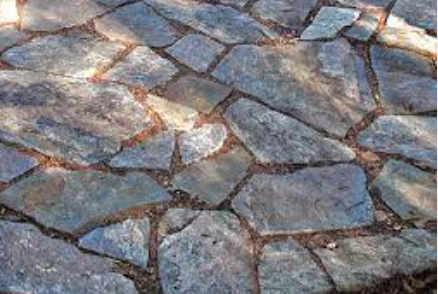
In rainy seasons, road surfaces are prone to water accumulation. If cement is used for paving, it can lead to sinking, and during hot seasons, it may crack easily. If asphalt is used, rainwater can accumulate underneath the asphalt layer, causing bumps. Additionally, maintaining asphalt and cement can be quite troublesome. So, we can choose irregular flagstone pavers to lay the ground.
Irregular shaped pavers, also known as irregular paving slabs or irregular paving stones, can be a suitable choice for a driveway depending on various factors and personal preferences.
Pros and cons:
Aesthetics: Irregular shaped pavers can lend a unique and rustic look to your driveway. They offer a natural and visually appealing appearance that many homeowners find attractive.
Durability: The durability of irregular shaped pavers depends on the type of stone used. Some natural stones are robust and can withstand the weight of vehicles, while others may be more susceptible to cracking or breaking under heavy loads. Be sure to select a durable stone variety.
Maintenance: Irregular shaped pavers may require more maintenance than traditional concrete or asphalt driveways. Weeds can grow between the irregular stones, necessitating periodic weeding. Additionally, the surface may need occasional re leveling.
Installation: Installing irregular pavers for a driveway can be more labor intensive and time consuming compared to traditional driveway materials. It's essential to hire an experienced professional for proper installation.
Cost: Irregular shaped pavers can be more expensive than concrete or asphalt initially due to the cost of the stone itself and the labor intensive installation process. However, they may offer long term value in terms of aesthetics and durability.
Terrain: Irregular pavers are often well suited for driveways with sloped or uneven terrain because they can conform to the contours of the land more easily than rigid materials like concrete.
Local Climate: Consider your local climate when choosing driveway materials. Irregular pavers may be more prone to damage in areas with extreme freeze thaw cycles, so proper sealing and maintenance are crucial.
Personal Preference: Ultimately, the choice of irregular shaped pavers for your driveway comes down to personal preference. If you appreciate the natural and rustic appearance and are willing to invest in maintenance, they can be an excellent choice.
It's essential to weigh the pros and cons and consult with a professional landscaper or driveway contractor to determine if irregular shaped pavers are the right fit for your specific driveway project and location.
Unlike concrete, pavers are significantly less prone to cracking, which is why a great number of homeowners prefer them.

Is Investing in Driveway Paving a Wise Decision?
Absolutely!
Enhanced Durability: Pavers are often more robust than concrete as they are less susceptible to cracking.
Cost Effective Repairs: If a paver becomes worn or damaged, you can replace individual pavers rather than the entire driveway, resulting in cost effective maintenance.
Immediate Use: Pavers do not require curing time, allowing you to use your driveway immediately after installation. They also offer superior traction, especially when wet.
Weed Control: Pavers are resistant to weed growth between the joints, and any weeds that do emerge can be easily removed. In contrast, weeds can lead to concrete cracking.
Longevity: When properly installed and maintained, pavers can endure for up to 50 years or even longer, providing a durable and long lasting driveway solution.
When you take into account the cost effectiveness, exceptional durability, versatility, and aesthetic appeal of driveway pavers, it becomes evident that choosing pavers is an investment that will not only pay for itself but also enhance the overall value of your property.
Furthermore, should you opt for high quality pavers crafted from durable materials, you'll have a driveway that will serve you for many years to come. In the event you decide to sell your home in the future, a paved driveway is a feature that will undoubtedly attract a wide range of prospective buyers.

Paving stones are more durable than concrete and can withstand more pressure per square inch.
Whether you use cement pavers or want stone driveway paving, paving bricks and stones are typically stronger than concrete and can hold more weight on the surface before a crack shows up. Most pavers can withstand up to 8,000 psi (pounds per square inch) as opposed to concrete, which can support up to 2,500 psi. (And if you’re wondering about the strength of an asphalt vs. concrete driveway, concrete is the more durable of the two.)
Pavers are also easier and cheaper to repair and replace than concrete. If an individual brick or stone is loose or damaged, you can easily replace it without affecting the rest of the bunch.
Concrete will require more repairs over time than pavers.
While the less expensive price tag of concrete may seem appealing, it comes with a downside. Concrete slabs for patios, driveways, or other spaces aren’t as durable as pavers and can crack, stain, and shift over time. These changes can also cause drainage issues in your yard, which can result in another hefty bill.
No matter which material you choose, whether it's concrete or pavers, both require protection to endure the impact of various elements. Over time, exposure to UV rays and other environmental factors can lead to the fading of both concrete and pavers. Sealants play a vital role in shielding them from discoloration. Once the concrete has been poured or the pavers have been installed, sealing becomes essential to prolong their lifespan and maintain their aesthetic appeal.
A wide array of sealants is readily available, and sealing can be a DIY project for many homeowners. However, enlisting the services of a professional ensures a quicker and correctly executed job. Sealing either pavers or concrete involves the use of specialized equipment and protective gear to avoid direct contact with the sealing substance. Fortunately, once your driveway or patio has been sealed, the need for resealing arises only every few years, serving as an added safeguard. It's important to note that prior to resealing, a thorough cleaning of the concrete or pavers should always be undertaken.
Choosing irregular shaped pavers for your driveway or garden project can be an excellent decision. If you have any queation, please contact LEESTE immediately!
Why Do People Like Marble Floor Medallion?
What Is Black Basalt and What Is the Application?
Related Article