What Is The Difference Between Stacked Stone And Ledgestone?
2023-10-27
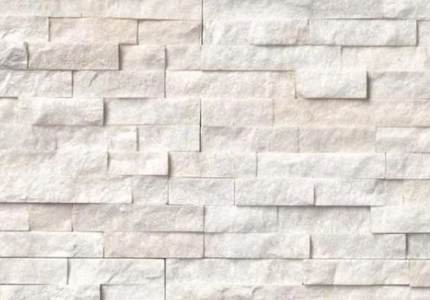
Also known as stacked stone, natural ledgestone is a type of natural stone tile used for walls, fireplaces or borders. It is made of all kinds of rectangular stripes of natural stone arranged uniformly on a mesh to form a veneer. The most important advantage of ledgestone stacked stone is that it looks stunning on any wall it decorates, and inevitably, it becomes the focal point of the room. Its weathered texture can enhance the most traditional or contemporary home in ways that complement an existing architectural style.
What is ledgestone veneer?
Ledgestone veneer, often referred to simply as "ledgestone," is a popular and versatile building material used in both interior and exterior design. This decorative stone veneer is known for its distinctive appearance and ability to mimic the rugged, stacked stone look of a traditional dry stacked wall. Its unique features make it a sought after choice for various architectural and landscaping applications.
Ledger panel stone is typically made from natural stone, such as slate, quartzite, or limestone, but it can also be crafted from concrete or manufactured materials that replicate the natural look. The individual stones are cut or shaped into flat, irregular shapes, and they are designed to interlock, creating the appearance of a stacked stone wall.
One of the primary advantages of ledgestone veneer is its versatility. It can be applied to both interior and exterior surfaces, including walls, fireplaces, accent walls, columns, and facades. Its adaptability to a wide range of design styles, from rustic and traditional to modern and contemporary, makes it a favorite choice among architects and interior designers.
Installing quartz ledge veneer is relatively straightforward, making it accessible for both professionals and DIY enthusiasts. Its lightweight nature simplifies the installation process, and it can often be applied directly to a wall using mortar or adhesive. This ease of installation also contributes to its cost effectiveness.
Moreover, ledgestone veneer offers durability and longevity. It can withstand exposure to the elements, making it a great option for exterior applications. Properly maintained, it can maintain its attractive appearance for many years.
In terms of maintenance, quartz ledge veneer requires minimal care. Periodic cleaning and resealing, if applicable, are usually all that's necessary to keep it looking its best. This low maintenance quality is another reason for its popularity.
What is natural stacked stone?
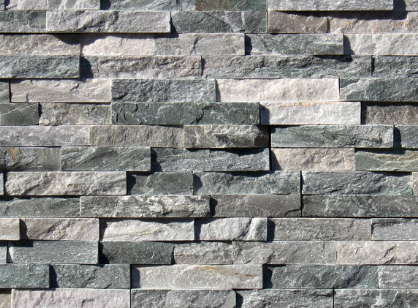
Natural stacked stone is a timeless and captivating building material that brings a sense of rustic elegance to architectural and interior design. This unique material is derived from natural stone, often quarried from mountains or rocky outcrops, and is characterized by its rugged, irregular appearance. Stacked stone is known for its versatility, durability, and striking visual appeal, making it a favored choice for various design projects.
One of the most distinctive features of natural stacked stone is its appearance. The stones are carefully selected, cut or shaped to create flat, uniform pieces that can be arranged in a stacked, layered, or mosaic like pattern. This meticulous arrangement results in a textured, three dimensional look that evokes the appearance of a dry stacked stone wall. The irregular shapes and varied colors of natural stacked stone add depth and character to any space, whether it's used indoors or outdoors.
Natural stacked stone is a versatile material that can be used in a wide range of applications. For interior design, it is often employed to create accent walls, fireplace surrounds, and backsplashes. In outdoor settings, it is used to enhance the facades of buildings, garden walls, or as cladding for various structures. Its adaptability to diverse design styles, from traditional and rustic to modern and contemporary, makes it a sought after choice for architects and interior designers.
The durability of natural stacked stone is another notable feature. This material is naturally resistant to the elements, making it an excellent option for outdoor use. It can withstand exposure to harsh weather conditions and maintain its aesthetic appeal for many years. When properly maintained, natural stacked stone requires little upkeep, further contributing to its longevity and cost effectiveness.
Incorporating natural stacked stone into a design project not only adds visual interest but also brings a sense of warmth and authenticity to the space. The tactile nature of the stone and the way it interacts with light and shadow create a dynamic and inviting atmosphere. Whether it's used to create a cozy, rustic living room or to give a modern building a touch of nature inspired charm, natural stacked stone is a versatile, enduring, and visually stunning choice for enhancing any architectural or interior design endeavor.
Difference between stacked stone and Ledgestone:
Stacked stone and outdoor ledger stone are both popular choices for creating visually appealing and textured wall surfaces in architecture and interior design. While they share some similarities, they also have distinct characteristics that set them apart:
Appearance:
Stacked Stone: Stacked stone typically features a more irregular and random arrangement of stones, which can create a rugged and uneven surface. The stones are often uniform in thickness but vary in size and shape, giving the appearance of a traditional dry stacked stone wall.
Ledgestone: Outdoor ledger stone is characterized by flat, uniform stones that are cut or shaped to interlock. The stones are arranged in a more structured and organized manner, resulting in a more controlled and cohesive appearance.
Texture:
Stacked Stone: Stacked stone tends to have a more three dimensional and varied texture due to the irregular shapes and sizes of the stones. This can create a more rustic or natural look.
Ledgestone: Ledgestone has a flatter and smoother texture compared to stacked stone. The stones are arranged in a way that creates a more even and uniform surface.
Versatility:
Stacked Stone: Stacked stone is often associated with a rustic or traditional aesthetic. It is commonly used for creating a rugged and textured look, making it suitable for projects that aim to evoke a natural and aged appearance.
Ledgestone: Outdoor ledger stone offers a more contemporary and refined look. Its structured and organized arrangement of stones makes it well suited for modern or formal design styles.
What Are The Pros And Cons Of Travertine Stone Tile?
Is Sawn Sandstone A Good Paving?
Related Article
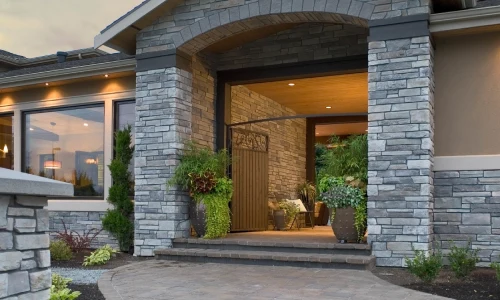
Natural stone and manufactured cultured stone are the two most popular types of stone veneers on the market.
Key Differences Between Cultured Stone And Natural Stone
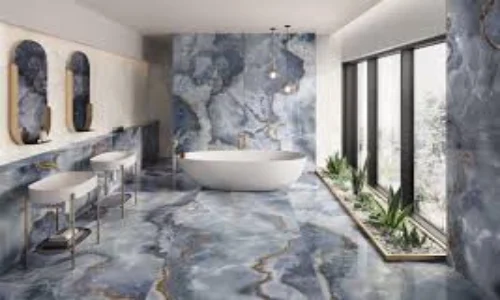
If you're looking for a unique and striking take on marble tiles, our onyx tiles collection might be just what you need.
What Are Onyx Tiles?