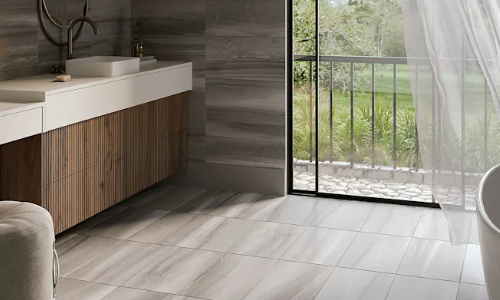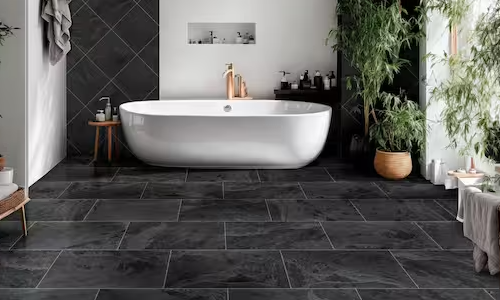
How To Choose A Perfect Backyard Patio Paver Remodel?
2023-11-30
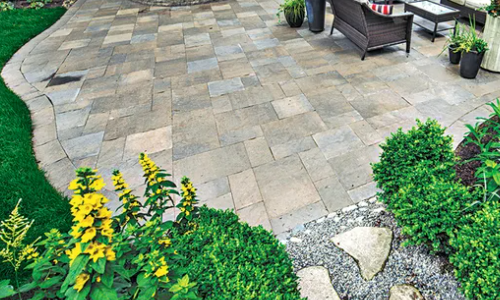
Complementing any landscaping theme and every architectural style. When contemplating backyard patio remodel ideas, one of the initial decisions you'll face is choosing between marble and travertine pavers. While some may perceive these two as interchangeable, they are, in fact, distinct stones with unique properties. It's crucial to recognize that travertine is not derived from marble; rather, it is an entirely different type of stone. So, when it comes to travertine patio pavers vs. marble patio pavers, each has its distinct characteristics that make them suitable for patio renovations. Understanding these differences is key to determining which option aligns better with your preferences and needs.
What is Travertine – And What Does It Look Like?
Travertine, a type of sedimentary stone, originates in and around freshwater hot springs. Characterized by a broad spectrum of warm earthy tones, travertine undergoes compression over time, solidifying and developing channels and holes as a result of water and gas expulsion during its formation. When collected for use, travertine is treated to fill these holes, ensuring that it is not overly porous and remains manageable for cleaning.
Despite its appeal, the pavers crafted from travertine, commonly used in driveways and other applications, possess surprising softness. This softness renders the material susceptible to damage from acidic cleaners, abrasive substances, stains, and scratches. Unlike other materials, including marble, outdoor travertine pavers demand more careful attention. It is crucial to be well-versed in the proper cleaning methods for travertine, as neglecting small particles and dust can lead to issues over time. Additionally, the vulnerability of travertine to damage from heavy objects like furniture and decorations can be mitigated by using soft coasters.
What is Marble – And What Does It Look Like?
Marble is the result of the transformation of sedimentary stones like travertine or limestone subjected to prolonged pressure and heat. Through this process, the stone undergoes recrystallization, becoming denser and more resilient. This metamorphic journey not only enhances its strength but also imparts a beautiful polish that has become synonymous with marble.
Renowned for its understated and earthy charm, marble, when integrated into outdoor kitchen installations, contributes to subtle shading. The versatility of outdoor marble pavers extends to various color options, including greens and reds, allowing for bold accents, especially when used as pavers for pool decks.
Marble exhibits a diverse range of colors and textures, spanning from hazy, milky-white to deep blacks or shades of red and green. These variations result from natural impurities in the ground, lending each marble piece a distinctive appearance. Despite its exquisite aesthetics, it's worth noting that, akin to limestone, marble can be subject to erosion from fumes and water, and certain impurities may impact its durability. Precision in mining is essential due to the challenge of splitting marble into uniform blocks, contributing to its cost but also enhancing the distinctive look of your marble patio pavers. Choosing high-quality marble pavers ensures a durable and visually appealing solution.

The Major Differences Between Marble and Travertine
Application
Marble finds its place in bathroom walls, floors, and kitchen countertops due to its clean and elegant appearance coupled with practicality. Not only does marble exude a refined aesthetic, but it also boasts toughness that surpasses many other stones. This durability makes it an excellent choice for outdoor kitchen installations and patio renovations, as it can withstand the rigors of everyday use. To maintain its resilience, it's crucial to apply a sealant annually as part of proper marble care to prevent potential damage.
While travertine is commonly utilized indoors, its application extends to outdoor spaces as well. Travertine pool pavers and patio pavers made from this natural stone present a visually appealing and practical option for various outdoor settings. Thanks to the inherent friction of natural stone travertine pavers, they are well-suited for outdoor use, offering slip resistance—particularly valuable around pool areas. However, it's important to note that travertine can be somewhat rough on bare feet, unless it is sanded down slightly.
Cost
The cost comparison between marble and travertine pavers is a pivotal consideration for many individuals. Generally, natural stone travertine pavers are pricier than cultured marble, but when it comes to natural marble, it stands out as the most expensive option. It's essential to note that stone costs can fluctuate significantly based on factors such as quality and regional availability. Additionally, both marble and travertine are relatively heavy materials, requiring meticulous installation.
To ensure proper installation, it's advisable to enlist the services of an expert with expertise in working with travertine pavers. Their knowledge of the intricacies of installing these stones can contribute to a successful and durable outcome, making the investment in their skills worthwhile.
Strength and Processing
Marble exhibits a paradoxical combination of being harder yet more fragile compared to other stones. Consequently, tumbled marble pavers are likely to incur higher costs due to the potential for production losses during processing. To mitigate breakage, marble tiles undergo specialized treatment, and the expenses associated with these processes are reflected in a higher price for consumers.
In contrast, travertine, being softer than marble, is easier to process. This results in a variety of travertine tiles, including filled, tumbled, honed, and more. Unlike marble, which typically offers only polished or honed finishes, travertine provides a broader range of choices. While tumbled marble pavers are available, they are often limited to smaller sizes. The contrasting characteristics between marble and travertine contribute to distinctions in their processing, finishes, and ultimately, the pricing structure for consumers.
Durability
Marble surpasses travertine in density and durability, making it an excellent choice for applications demanding robustness, including commercial projects. While travertine offers ample durability for a patio remodel in West Palm Beach, it may not be the optimal selection for endeavors requiring the heightened resilience necessary for commercial use.
The primary distinctions between the two options lie in cost and finish. Marble comes with a higher price tag, while travertine offers a wider array of colors and finishes. The decision on which one suits you best hinges on your budget and intended use. Opting for travertine could be a practical choice if marble exceeds your budget constraints. Well-maintained travertine pavers endure for years, introducing a burst of color and vibrancy to any space when utilized appropriately.
What Is A Outdoor Garden Statue?
6 Reasons Marble Slate Pavers are Ideal for Outdoor Areas
Related Article
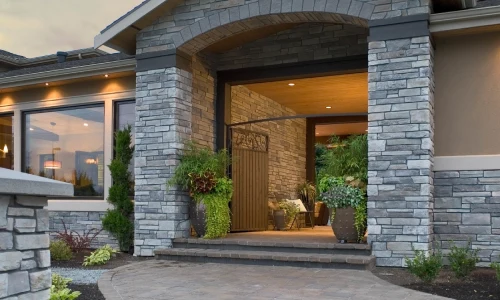
Natural stone and manufactured cultured stone are the two most popular types of stone veneers on the market.
Key Differences Between Cultured Stone And Natural Stone
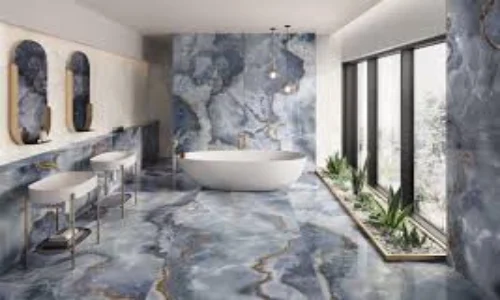
If you're looking for a unique and striking take on marble tiles, our onyx tiles collection might be just what you need.
What Are Onyx Tiles?