What Are The Pros And Cons Of Travertine Stone Tile?
2023-10-30
When it comes to countertop options, the wide variety of available materials can be overwhelming. While quartz, granite, and marble all come to mind as common countertop surfaces, travertine is a lesser known alternative. However, its historical significance and natural beauty make it an increasingly popular choice for both kitchen and bathroom countertops.
Travertine is a form of limestone deposited by mineral springs. The main difference between travertine and other natural stones, such as marble and granite, is the way they are formed. This sedimentary rock forms in limestone caves and near hot springs. Travertine surfaces can be found in light colors, like light grays and golds.
Travertine stone tile is a luxurious and timeless building material that has been cherished for its natural beauty, durability, and versatility for thousands of years. Quarried from sedimentary rock deposits, travertine is celebrated for its distinctive appearance, unique patterns, and a wide range of applications in both interior and exterior design.
Characteristics of travertine stone tile:
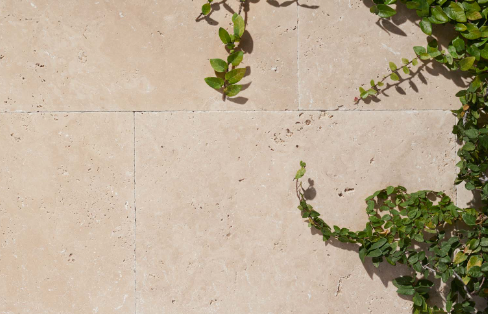
Appearance: Travertine stone tile has a warm, earthy appearance with a matte or honed finish. It often exhibits unique patterns and colors, such as creamy whites, warm beiges, rich browns, and even reddish tones. Some travertine wall tiles have striking veining or mineral streaks that add character to the stone.
Texture: Travertine typically has a porous surface that gives it a distinctive texture. The visible pores and holes are a natural part of the stone's character. The stone can be found in different grades, with some tiles having fewer or smaller pores, creating a smoother surface, while others have more pronounced texture.
Variations: Travertine is known for its natural variations. No two tiles are exactly alike, making it a unique and captivating choice for those who appreciate the beauty of imperfections. This variation is a testament to the stone's natural origin.
Durability: Travertine wall tile is a relatively durable stone that can withstand both indoor and outdoor applications. However, it is softer than granite or marble and may be prone to scratching and etching. Therefore, it's important to seal and maintain travertine to preserve its appearance.
Uses of travertine stone tile:
Flooring: Travertine tiles are often used for flooring in both residential and commercial spaces. They provide an elegant and inviting ambiance while offering durability. The texture of the stone can add traction, making it a suitable choice for high traffic areas.
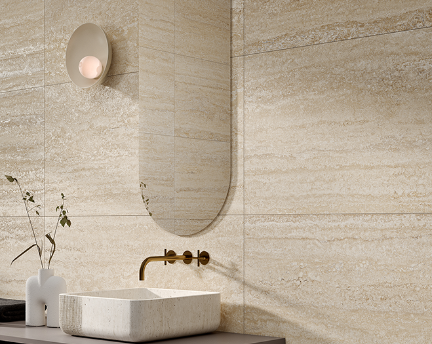
Wall Cladding: Travertine wall tiles can be used to clad interior and exterior walls. Its unique texture and natural variations create a visually striking backdrop for various design styles, from traditional to contemporary.
Countertops: Honed or polished travertine is used for kitchen and bathroom countertops. The stone's natural beauty and warmth enhance the overall aesthetic of the space.
Bathroom: Travertine is a popular choice for bathroom surfaces, including shower walls, floors, and vanities. It adds a spa like, tranquil atmosphere to the room.
Fireplaces: Travertine's ability to withstand high temperatures makes it an excellent material for fireplace surrounds. It creates a cozy and inviting focal point in living spaces.
Outdoor Paving: Tumbled or brushed travertine stone flooring is often used for outdoor applications such as patios, pool decks, and pathways. Its natural heat resistance makes it comfortable to walk on in warm climates.
Decorative Elements: Travertine can be carved or shaped into decorative elements like columns, moldings, and mosaics, adding a touch of elegance to architectural features.
Travertine Limestone Countertops Pros and Cons
Travertine stands as a favored choice for countertops, sought after for its opulent and natural aesthetic that often draws comparisons to pricier materials like marble. Its allure lies in the sophisticated and chic appearance that it imparts, making it a highly valued selection among homeowners. Furthermore, travertine's versatility extends beyond countertops, finding applications in showers, sinks, backsplashes, and various other interior and exterior areas of homes.
While travertine stone flooring offers a range of advantages, it's essential to acknowledge both its merits and drawbacks. Beyond its intrinsic and distinctive visual appeal, one of its frequently highlighted benefits is its cost effectiveness.
Travertine also earns its reputation for its remarkable light reflective qualities. A travertine countertop, solely through its capacity to reflect light, has the power to infuse a kitchen or bathroom with significant luminosity. Furthermore, it's prized for its resiliency against stains and even the harshest weather conditions.
Versatility is another noteworthy attribute. When fashioned into tiles, travertine marble tile exhibits superior ease of cutting compared to materials like porcelain, rendering it ideal for bespoke projects necessitating unconventional shapes. Whether opting for slabs or tiles, travertine countertops can be seamlessly constructed to match your design preferences.
Nonetheless, it's crucial to acknowledge some of the drawbacks associated with travertine. Foremost among them is its heightened reactivity to acidic substances. Liquids with high acidity levels, such as lemon juice, vinegar, and wine, are more prone to staining a travertine countertop compared to other natural countertop materials like granite. This underscores the paramount importance of diligent countertop sealing during travertine marble tile installation, coupled with regular resealing to safeguard its longevity.
The soft and porous nature of travertine natural stone is another factor to consider, as it elevates the risk of scratches, etching, and related damage. To mitigate this, it's recommended to utilize alkaline based cleaners that minimize the risk of abrasions.
Furthermore, travertine natural stone exhibits heightened sensitivity to heat compared to competing materials like granite. The use of cooling racks or hot pads becomes essential to prevent any potential harm to your travertine countertops.
It's imperative to bear in mind that the disadvantages of travertine countertops come into sharper focus when they are installed in high traffic or intensively utilized areas of the home. Kitchens that witness frequent culinary activities, for example, may not be the most suitable candidates for travertine, as its susceptibility to wear and tear could accelerate with the rigors of daily use.
LEESTE is the largest and the most advanced stone processing enterprise. LEESTE can provide high quality custom size travertine stone tile products which are insuranced, such as 18x18 travertine tile and 24x24 travertine tile. Choosing travertine tile for your design or architectural project can be an excellent decision.
Gravel Or Pebbles: Which Material Is Better For Your Garden?
What Is The Difference Between Stacked Stone And Ledgestone?
Related Article
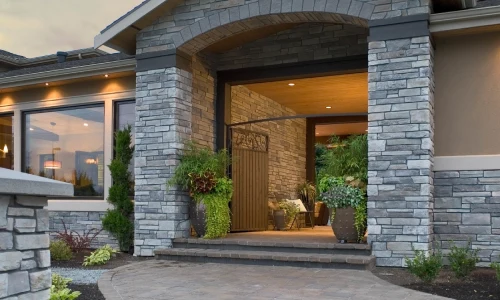
Natural stone and manufactured cultured stone are the two most popular types of stone veneers on the market.
Key Differences Between Cultured Stone And Natural Stone

If you're looking for a unique and striking take on marble tiles, our onyx tiles collection might be just what you need.
What Are Onyx Tiles?