
Why Is Black Portoro Marble The Best Black Marble In The World?
2023-11-22
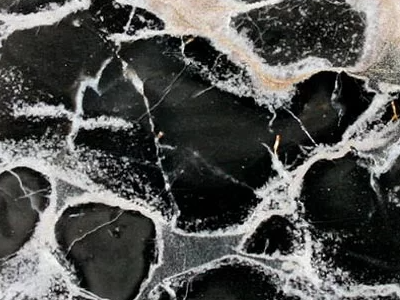
What Is Portoro Marble Slab?
Portoro is a very rare marble quarried in Italy and in Corsica. It is sometimes found in France, but very sparingly. It is known for its dark black color scattered with yellow grooves. Portoro is an Italian black marble that originated around 200 million years ago. Its extraction dates back to the era of the Roman Empire, and the marble was initially unearthed by the sculptor Domenico Casella. At that time, Casella secured the necessary permission from the Senate of the Province of Genoa to extract this remarkable material.
Black portoro marble tile stands as a luxurious marble, renowned for its exclusivity and often hailed as one of the most exquisite varieties globally. With its striking black hue adorned with intense to very intense golden streaks, the marble exudes an impressive aesthetic appeal. As a prized addition to our high-end and imported collection, portoro marble slab is typically employed in large cuts to preserve its natural and captivating appearance.
Embraced in diverse accents within high-end residences, portoro marble stand out as highly coveted materials among luxury interior designers and architects. Portoro marble, in particular, showcases captivating swirls, exuding an elevated and refined ambiance.
Portoro, being a marble of distinction, is in great demand owing to its relative scarcity, sophistication, and exclusivity. The extraction process of portoro marble significantly contributes to its elevated price, requiring advanced preparations of quarries weeks to months in advance to ensure the meticulous harvesting of these exceptional materials.
Appearance
Portoro marble, characterized by its dark ebony-colored backdrop adorned with striking white veins, serves as a preferred choice for accentuating numerous elite homes and villas not only in Italy but also globally. Frequently employed in high-end and distinguished spaces, Nero Portoro marble stands out as the material of choice for various indoor applications. The fine-grained nature of the marble contributes to a delicate finish, enhancing its appeal in refined settings.
Versatility
Portoro marble is most commonly used as the material for countertops, but this marble is also used as a bathroom interior wall, kitchen islands, and flooring in entryways to bring a touch of refinery into the space. Establishments all over the world seek to use Nero Portoro as their interior wall, and the sawn-cut marble shows exquisite patterns when polished with a sparkling finish.
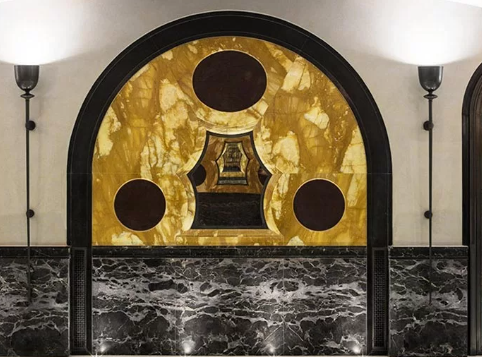
Use Of Black Portoro Marble
Portoro blocks are characterized by their medium to small size, and their intrinsic value is heightened by their extremely limited availability. Consequently, the average dimensions of the resulting slabs tend to be slightly smaller than those of standard slabs. Regardless, the blocks are consistently cut to a thickness of 20mm (or 3/4").
Portoro is highly regarded as a versatile material suitable for various applications, including wall coverings, floor tiles, kitchen countertops, and cladding. Clients often prefer the polished finish, appreciating the added level of shine that contributes to the project's overall elegance. This black and gold marble, with its unique veining patterns, striking colors, impressive appearance, and elevated cost, is frequently chosen for feature projects and statement pieces in high-end luxury residences and glamorous hotels.
One stunning and common use of portoro is as an inlay application, enhancing items like tables or benchtops. Its sleek black coloring creates a perfect contrast when paired with a lighter-colored marble or a design object. In fact, it's not uncommon to encounter this exquisite black marble in countertops or decorative elements for tables, chairs, and various objects in restaurants, bars, and hotels across cities like Moscow, New York, and London.
How to Clean Black Portoro Marble
Routine Maintenance
As a type of marble, portoro may demand consistent upkeep owing to its relatively soft and porous nature as a natural stone. Regular cleaning is essential to preserve its appearance and longevity. Follow these steps to effectively clean and refresh your portoro marble surfaces:
Step 1: Choose Your Cleaner
Opt for a high-quality stone cleaner with a neutral pH level. Alternatively, you can create your own solution by adding a few drops of mild liquid dish soap to a bucket or bowl of warm water, resulting in a soapy water mixture.
Step 2: Commence Wiping
If using a commercial stone cleaner, carefully review the instructions provided on the label for proper usage. This information is crucial for the correct application of the product.
If using the homemade soapy water solution, dip a clean cloth into the mixture, ensuring you remove excess water. Given the porous nature of Nero Portoro marble, avoid oversaturating it. Wipe the entire surface with a lightly dampened cloth, working in small areas using circular motions.
Step 3: Rinse and Dry
Once you've covered the entire surface, dampen another cloth with clean water to wipe away any remnants left by the soapy water. To complete the process, use a final clean cloth to thoroughly dry the surface, preventing excessive moisture retention in the porous marble.
Stain and Spill Removal
Step 1: Prepare the Stained Area
For liquid stains, gently blot the affected area with a clean cloth, avoiding aggressive rubbing or scrubbing. When dealing with solid messes like food spills, remove debris and use a clean cloth to blot away residue. For any chunks, a plastic knife or similar tool can be employed for careful removal.
Step 2: Choose Your Cleaner
Opt for a stone cleaner or create your own solution. In an empty spray bottle, combine ¼ cup of isopropyl alcohol with warm water, ensuring thorough mixing with a good shake. For a more potent cleaner, add a few drops of mild liquid dish soap to the mix.
Step 3: Commence Wiping
Follow the instructions on the product label if using a commercial stone cleaner.
For those with a homemade cleaner, carefully spray the solution onto the stained area, then use a clean cloth to dab at the stain. Repeat as necessary until the stain disappears.
Step 4: Rinse and Dry
Once the stain is eliminated, wipe the area with a dampened cloth to remove any residue from the cleaning solution. Finish by using another cloth to fully dry the entire surface.
LEESTE is the largest and the most advanced stone processing enterprise. LEESTE can provide high quality custom size portoro marble slab products which are insuranced.
6 Reasons Marble Slate Pavers are Ideal for Outdoor Areas
Gravel Or Pebbles: Which Material Is Better For Your Garden?
Related Article

Natural stone and manufactured cultured stone are the two most popular types of stone veneers on the market.
Key Differences Between Cultured Stone And Natural Stone

If you're looking for a unique and striking take on marble tiles, our onyx tiles collection might be just what you need.
What Are Onyx Tiles?