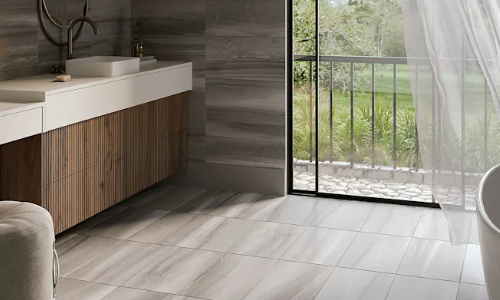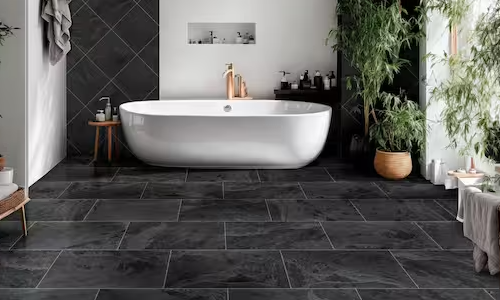
Factors to Consider When Choosing Marble vs Tiles for Flooring
2024-03-19
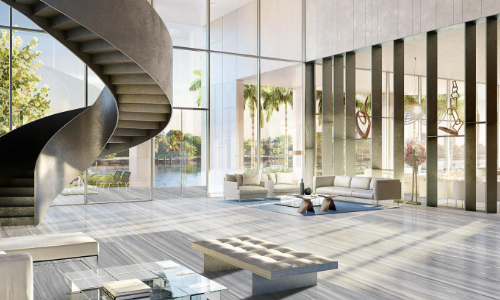
Choosing the ideal flooring option for your home is a significant decision that greatly impacts the overall aesthetics of your space. Questions may arise, such as whether to opt for cement or concrete, as well as considerations regarding shape and thickness. But if you prefer special, graceful, and resistant marble flooring, palissandro bluette marble is a good choice.
Manufacturing techniques for tiles offer precise control over appearance and color, making ceramic floor tiles an attractive choice for enhancing the beauty of any room. Ceramic tiles boast water resistant properties, ensuring durability and resilience against breakage. Moreover, tailored options are available to suit specific space requirements, usage patterns, and foot traffic.
Alternatively, marble presents another captivating flooring option for those seeking to forego traditional tiles. Renowned for its timeless elegance, marble flooring effortlessly imbues spaces with a sense of refinement, making it a popular choice for upscale establishments like hotels, restaurants, and luxurious homes.
Marble, synonymous with opulence and luxury, remains a symbol of sophistication. Composite marble options further enhance the allure of living spaces, infusing them with undeniable charm. However, when debating between marble and tiles, consider various factors to determine the most suitable flooring material for your home.

How to Choose Flooring
Durability:
When considering flooring options like marble or tiles, durability should be a primary factor. It's essential to invest in flooring that will withstand the test of time.
Marble stands out as a durable flooring choice, known for its resilience. Proper maintenance, including polishing and cleaning, can prolong the lifespan of marble floors. However, over time, marbles may develop a yellowish tint.
Tiles undergo a vitrification process, imparting them with strength and longevity. With careful handling, vitrified tiles can last long. However, they may be prone to cracks or damage, necessitating replacements that could incur additional costs.
Cost:
Budget considerations are crucial when planning flooring expenses. Marble flooring tends to be pricier compared to vitrified tiles. In India, marble flooring may cost around Rs 250 per square foot, while vitrified tiles can be approximately Rs 200 per square foot.
For those with budget constraints, exploring options like Home Renovation Loans can help finance flooring projects. Vitrified tiles, being man made and more economical, offer an elegant flooring solution without breaking the bank.
Aesthetic:
The aesthetic appeal of flooring significantly impacts the ambiance of a room. Marble flooring exudes timeless elegance and sophistication, leaving a lasting impression on guests. Its natural patterns and grain lines contribute to a sense of luxury, perfect for creating a regal atmosphere in your home.
Properties:
Understanding the properties of both tiles and marble aids in making an informed choice. Vitrified tiles, being non porous, exhibit greater resistance to water and other substances compared to marble, which is inherently porous and susceptible to staining from liquids and chemicals.
Design and Installation Process:
The design and installation of marble flooring require more time and labor compared to tiles. Marble typically undergoes customization, including cutting and polishing, to meet specific specifications, resulting in a more time consuming installation process.
In contrast, vitrified tiles are ready to use, reducing installation time and labor costs. They do not necessitate additional finishing, further streamlining the installation process.
Care and Maintenance:
Both marble and tiles require diligent care and maintenance for longevity. While tiles are relatively easier to clean and maintain, marble demands more attention due to its porous nature, which makes it susceptible to water damage and staining from acidic or alkaline substances.
Conclusion:
Both marble and tiles offer excellent flooring options, catering to different preferences and budgets. Tiles may be preferable for those seeking cost effective solutions, while marble remains unparalleled in elegance and charm, ideal for creating luxurious living spaces. Conducting thorough research ensures you choose the flooring material that best aligns with your requirements and preferences.
Why Marble is Popular
For centuries, natural stones sourced from the earth have been synonymous with grand architectural marvels. The rustic charm, innate beauty, and eco friendly attributes of natural stones render them versatile for both indoor and outdoor applications. Among these natural stones, marble reigns supreme. Throughout history, architects, sculptors, and designers have revered marble for its timeless allure. The captivating shimmer of this stone elevates the aesthetic appeal of any space to unparalleled heights, making marble the epitome of luxury materials, albeit at a premium price.
Marble blocks extracted from quarries are meticulously crafted into tiles, pavers, slabs, and mosaics, offering a diverse array of colors, tones, veining patterns, and intensity levels. Polishing enhances marble's reflective properties, making polished marble products highly coveted in the market.
Marble, a metamorphic rock formed under extreme geological conditions, owes its durability and captivating appearance to the process of metamorphism, which imbues it with distinctive colors and veining patterns resulting from chemical compositions, voids, and impurities. Mined from various regions across the globe, marble continues to be a timeless symbol of elegance and sophistication.
As one kind of marble, palissandro blue marble almost is the most expensive one. Palissandro marble, a prized material sourced from quarries in Italy, boasts a distinctively uniform yet neutral beige backdrop adorned with intricate grey and brownish veining, stripes, and shades. Renowned for its elegance and diverse aesthetic qualities, palissandro marble tile has graced iconic structures such as Milan Cathedral and Pavia Cathedral, showcasing its versatility and timeless appeal. This natural blue palissandro marble stone lends itself to a myriad of applications and combinations, both indoors and outdoors, seamlessly blending with other stones to create captivating exterior and interior designs. Palissandro blue marble tile is also known by other names such as Patak Stone, Bandar Abbas marble stone, and di pesco stone.
Highly favored for contemporary designs, palissandro marble proves ideal for an array of projects, including wall facings, façades, interior and exterior floorings, staircases, and beyond. Its adaptability and aesthetic allure make it a preferred choice for architects and designers seeking to imbue spaces with sophistication and character.
LEESTE is the largest and the most advanced stone processing enterprise in China. LEESTE can provide high quality custom size custom stone palissandro bluette marble products which are insuranced.
Which Is The Most Beautiful Marble Across The World?
What Kind of Stone Is Malachite Marble?
Related Article
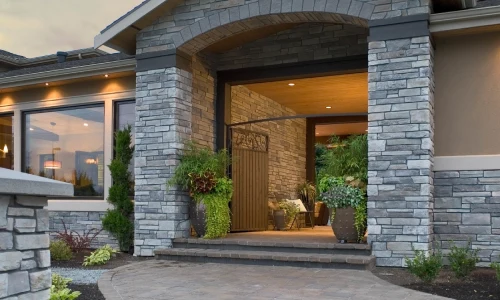
Natural stone and manufactured cultured stone are the two most popular types of stone veneers on the market.
Key Differences Between Cultured Stone And Natural Stone
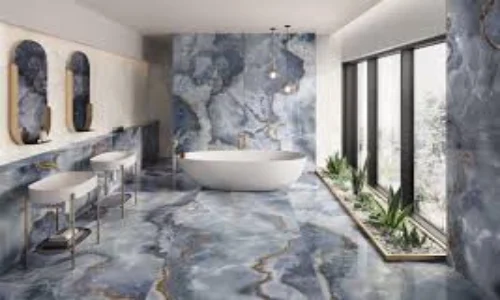
If you're looking for a unique and striking take on marble tiles, our onyx tiles collection might be just what you need.
What Are Onyx Tiles?