How Balustrade Can Transform Your Staircase?
2024-01-30
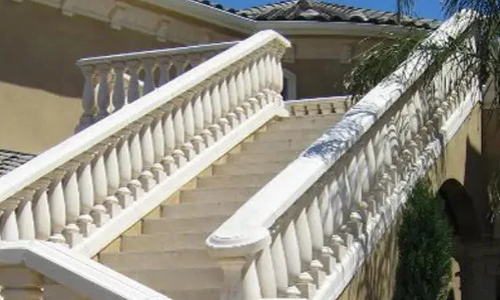
Embarking on a staircase renovation opens the door to a transformative home experience with boundless possibilities. Grasping the fundamental components of your staircase design marks the initial stride toward discovering and refining a customized staircase solution tailored to your individual style and needs. Among the crucial elements in staircase renovation is the balustrade, a feature with the potential to entirely reshape the aesthetic of your stairway. Here's what you should take into account.
What is a Stair Balustrade?
In architecture, a stair balustrades refers to a cohesive structure comprised of a row of small, evenly spaced columns known as spindles or pickets, topped with a handrail. These balustrades are often characterized by ornate designs, serving both aesthetic and functional purposes. Typically, balustrades are positioned along staircases and terraces to prevent falls and can also function as partitions in open areas, demarcating spaces. The term "balustrade" is derived from the word "baluster," originating from 17th century Italy. The bulbous shape of the column, resembling a half open blossom of a wild pomegranate and known as "balaustra" in Italian, is responsible for naming the baluster.
What Makes Up the Stair Balustrade?
The stair balustrade serves as both the railing and the baluster, playing a crucial role in preventing falls over the edge. It encompasses the entire assembly of handrails, including spindles and newel posts. The elements of a balustrade can be intricately decorative, featuring turned, carved, or forged designs, and may even incorporate wooden or glass panels. Positioned between the handrail and stairs, these components are also referred to as balusters.
While its primary function is to ensure safety during stair ascent or descent, the balustrade holds paramount importance as a design element in staircase renovations.
Handrail: Positioned atop the balustrade, the handrail serves as the supportive element during stair ascent and descent.
Spindles (Balusters): Situated between the handrail and baserail, spindles, also known as balusters, act as protective barriers against falling off the edge of the stairs. They offer significant design flexibility, serving as a highly decorative element.
Baserail: Located on the string, the baserail features a groove that accommodates the spindles. In instances of a cut string staircase, where the spindles enter the treads, a baserail may not be necessary.
Newel Cap: An ornamental cap that sits atop the newel post, enhancing the aesthetic appeal.
Newel Post: A structural component extending below the floor and subfloor, the newel post is securely bolted to the floor joist.

What Materials are Best for the Stair Balustrade?
Balusters can be crafted from various materials, including wood, stone, concrete, iron, aluminum, or vinyl. Among these options, aluminum balusters are often favored for their classic appearance and minimal maintenance requirements compared to other materials. Additionally, aluminum balusters are highly versatile and durable, making them an excellent choice for homeowners seeking a modern or distinctive aesthetic.
The beauty of the balustrade is that glass, timber, and steel can create equally stunning features for your stairway, and all serve as a safe and secure option.
Timber Transformations
Select from an extensive array of timber options, such as oak, sapele, maple, beech, and walnut, and incorporate exquisite finishing touches to craft a flawless entrance, leaving behind an elegant and lasting first impression.
Glass Creations
Glass has the ability to create the illusion of a staircase gracefully floating, making it a splendid choice for both spacious and compact areas. Its transparency enables light to seamlessly traverse the entire hallway, making it a contemporary option that can complement a variety of home styles.
Steel Combinations
Steel staircases from Neville Johnson come in a variety of distinctive design styles and finishes. The use of steel can evoke a dramatic appearance when paired with forged spindles, or it can exude minimalist chic when combined with brushed steel and glass elements.
Aluminum Balusters
Aluminum stands out as a preferred material for those aiming to achieve a modern aesthetic while prioritizing premium performance. The inclusion of vertical cable railing infills in aluminum provides an ideal blend of style and functionality. The pre assembled, code compliant panels streamline the ordering process for property owners, ensuring quick and consistent installations. Furthermore, aluminum balcony railings prove to be an excellent choice for those residing near bodies of saltwater. With a multi layered anti corrosion powder coating, they offer a low maintenance solution.
Marble Balusters
Throughout history, natural stone balusters have adorned staircases worldwide, and this timeless tradition continues to thrive today. Whether opting for the authentic charm of natural stone or the versatility of precast stone, a diverse array of styles is at your disposal to craft a staircase that exudes beauty and enduring style. Marble is a durable natural stone, making it a sturdy and long lasting material for stair balustrades.
Marble Baluster Advantages and Disadvantages
Pros:
Marble baluster railing provides a genuinely beautiful appearance, while precast stone balusters are made in an assortment of stone-like colors.
Marble baluster railings are extremely durable and can literally last for thousands of years.
Railings made from natural marble stone require little to no maintenance.
If used outside, marble balusters can complement the natural landscape nearby.
Cons:
Because of their heavy weight, marble baluster railing may be difficult or require special equipment to install.
Natural marble balusters are more expensive than precast stone balusters.
While precast marble balusters look and feel like natural stone, they are not as durable and are more prone to chip and crack due to exposure in outdoor environments.
Why are Stair Balusters Important?
The utilization of balusters in a railing system not only enhances the style and structure but also serves multiple purposes within the overall framework. While balusters contribute an attractive stylistic element to any railing system, they are primarily designed to offer support and structure to the top rail or handrail. Additionally, marble balustrade stone railing plays a crucial role in closing the gap between posts in the railing system, serving as a safety feature. This design choice eliminates excess space, minimizing the risk of a child or pet falling through the railing and sustaining injury.
LEESTE is the largest and the most advanced stone processing enterprise who can provide high quality custom size marble baluster railing products which are insuranced. Choosing marble balusters for stairs or architectural project can be an excellent decision.
Can I Use Marble Mosaic Tiles on the Floor?
Marble vs Granite Tombstone: Which Is Superior
Related Article
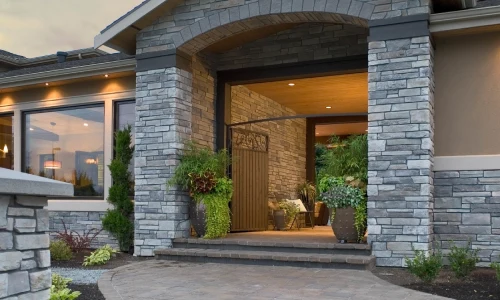
Natural stone and manufactured cultured stone are the two most popular types of stone veneers on the market.
Key Differences Between Cultured Stone And Natural Stone

If you're looking for a unique and striking take on marble tiles, our onyx tiles collection might be just what you need.
What Are Onyx Tiles?