Home Help: Low-Maintenance Landscape Stepping Stones Ideas
2024-02-29
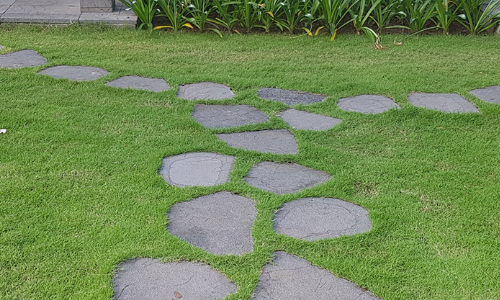
When transforming outdoor living spaces, prioritizing low- and no-maintenance features is key, as it translates to more time for enjoyment and less time spent on upkeep. Landscape stepping stones professionals are eager to divulge their insider tips for crafting low-maintenance outdoor areas. With this valuable knowledge, even do-it-yourself enthusiasts can implement the same strategies employed by experts for a successful landscape stepping stone pavers makeover.
Irregular stepping stones paver manufacturers did not foresee the remarkable growth witnessed in the past few years, yet the hardscaping market remains robust. Contractors who stay abreast of the latest trends can certainly achieve another outstanding year in this industry.

Embracing Creativity
Size, shape, color and texture are each playing a role in the consumer’s desire to create outdoor natural step stone spaces that look unique.
The market is shifting towards larger paver units featuring smooth surfaces, incorporating blends of grays and whites. This aesthetic is proving versatile, complementing various architectural styles, ranging from colonial to contemporary and even typical ranch-style homes. Additionally, products in black hues and diverse shapes are gaining popularity, particularly for borders and inlays.
A significant evolution in the market is the heightened emphasis on color and texture. Unlike a few years ago when there were limited shades within specific color palettes, there is now a growing interest in nearly tone-on-tone solid colors. Moreover, organic-type textures are gaining increased popularity among consumers. This signifies a shift towards a more nuanced and diverse range of choices in the paver market.
Texture has become a focal point. Recent innovations are helping deliver unique textures such as wood grain, slate, basalt and flamed stone.
Catching on in Commercial Settings
Residential landscaping isn’t the only opportunity to sell and install pavers. Demand for precast products in commercial settings has been steadily growing. Precast products like pavers can be a good alternative to asphalt for several reasons:
More longevity, less maintenance
Removable and repairable if subterranean infrastructure must be accessed
Lower solar reflective index, reduced heat island effect
More environmentally friendly since they aren’t made with oil
More unique, attractive appearance
Various commercial property types, ranging from high-rise apartments to retail centers, are actively embracing the outdoor living trend. Outdoor features such as dining areas, parkways, and walkways are becoming standard additions to commercial real estate. An emerging trend is reaching new heights, quite literally, as outdoor amenities are expanding to include rooftop spaces.
Straightening out the Supply Chain
Another noteworthy trend to consider pertains to the availability of products. Clearly, hardscape contractors and their suppliers encountered unprecedented challenges in the past couple of years. While demand is showing some softening, it remains robust.
Landscaping with Hardscapes
Retaining wall systems are a versatile tool in the arsenal of landscape professionals, serving various purposes in landscaping solutions. Segmental retaining walls, in particular, prove invaluable for transitioning elevations, reinforcing slopes along foundations, and defining spaces—creating features like planters, tree rings, and more. According to Scott Arnold, the manager of Villa Landscapes in St. Paul, Minnesota, combining retaining wall systems with concrete pavers can yield aesthetically pleasing raised patios, offering a low-maintenance alternative to traditional wooden decks.
Adopting Low-Maintenance Practices
Implementing strategic landscaping practices can simplify weed control and overall lawn care management. The incorporation of rock mulch and natural rocks in gardens, beds, walkways, and as stepping stones not only enhances the visual appeal but also provides an effective solution for weed control, reducing the need for extensive irrigation. To thwart weed growth, a layer of at least 3 inches of rock mulch or 4 inches of natural mulch is recommended. For an extra layer of defense against weeds, utilizing landscape fabric beneath stepping stones and rock mulch proves to be an additional measure.
How to Choose Low-Maintenance Landscape Stepping Stones
Creating a low-maintenance landscape with stepping stones can add both functionality and aesthetic appeal to your outdoor space. Here are some ideas to consider:
Gravel and Stepping Stone Pathway:
Combine stepping stones with gravel to create a visually appealing and low-maintenance pathway. Gravel requires minimal upkeep, and the stepping stones provide a solid surface for walking.
Ground Cover Between Stepping Stones:
Plant low-maintenance ground cover, such as moss or creeping thyme, between stepping stones. This not only adds a touch of greenery but also reduces the growth of weeds and minimizes the need for mowing.
Pavers with Low-Maintenance Plants:
Use pavers as stepping stones and surround them with low-maintenance plants, such as succulents or ornamental grasses. This combination adds texture and color while keeping maintenance efforts to a minimum.
Mulch and Stone Combination:
Create a pathway using a combination of mulch and stones along with stepping stones. Mulch helps suppress weed growth, and the stones provide stable footing.
Flagstone Path with Drought-Tolerant Plants:
Lay flagstones in a pathway and complement them with drought-tolerant plants. This not only reduces water requirements but also adds a natural and rustic charm to the landscape.
Concrete Stepping Stones:
Opt for precast concrete stepping stones, which are durable and require very little maintenance. These can be arranged in various patterns and provide a clean and modern look.
Japanese-Inspired Stepping Stone Path:
Design a Zen garden-inspired pathway using flat and smooth stepping stones. Add elements like white gravel or sand for a calming and low-maintenance landscape.
Artificial Turf and Stepping Stones:
Combine artificial turf with stepping stones to create a green pathway that requires no mowing. This option provides the look of a grassy area without the maintenance.
Wooden Stepping Stones:
Use wooden stepping stones for a natural and rustic look. While wood may need occasional sealing, it can be a low-maintenance option depending on the type of wood used.
River Rock Stepping Stones:
Incorporate river rocks as stepping stones, creating a pathway with a natural and earthy feel. River rocks are durable and do not require regular maintenance.
Remember to choose plants and materials that thrive in your local climate to ensure the longevity and success of your low-maintenance landscape with stepping stones.
LEESTE is the largest and the most advanced stone processing enterprise. LEESTE can provide high quality custom size natural step stone pavers products which are insuranced.
Is Royal Beige Marble Tile Good?
Top Tips For Choosing The Perfect Outdoor Garden Sculpture
Related Article
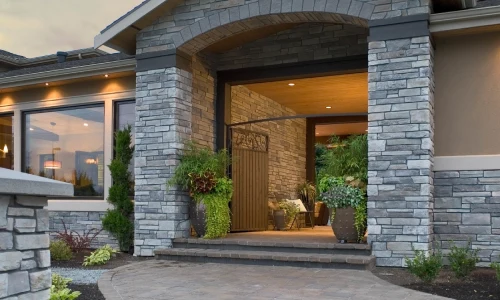
Natural stone and manufactured cultured stone are the two most popular types of stone veneers on the market.
Key Differences Between Cultured Stone And Natural Stone

If you're looking for a unique and striking take on marble tiles, our onyx tiles collection might be just what you need.
What Are Onyx Tiles?