Natural Stone Tiles VS. Wooden Tiles
2023-06-16
Natural Stone Tiles VS. Wooden Tiles
Natural stone tiles and wooden tiles are two popular choices for flooring and wall coverings. They offer distinct aesthetic qualities and come with their own set of advantages and disadvantages. This article aims to delve into the differences between natural stone tiles and wooden tiles, examining various aspects such as appearance, durability, maintenance, sustainability, and cost. By understanding these factors, readers can make informed decisions when selecting the most suitable material for their projects.
1. Appearance:
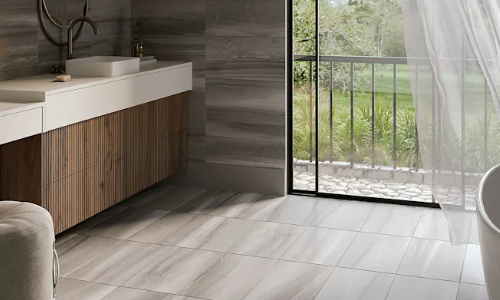
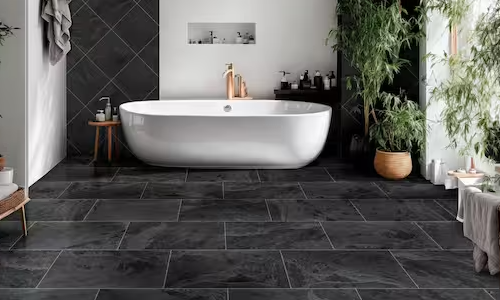
Natural Stone Tiles: Natural stone tiles, such as marble, granite, and slate, boast unique patterns, colors, and textures that add a touch of elegance and natural beauty to any space. Each stone has its own distinct characteristics, providing a wide range of design possibilities.
Natural Stone Tiles: Natural stone tiles, such as marble, granite, and slate, boast unique patterns, colors, and textures that add a touch of elegance and natural beauty to any space. Each stone has its own distinct characteristics, providing a wide range of design possibilities.
Wooden Tiles: Wooden tiles exude warmth, sophistication, and a cozy ambiance. They showcase the natural grain and texture of different wood species, creating a timeless and inviting atmosphere.


2. Durability:
Natural Stone Tiles: Natural stone tiles are renowned for their exceptional durability and ability to withstand heavy foot traffic and wear. They are resistant to scratches, stains, and fading, making them ideal for high-traffic areas and commercial spaces. Additionally, some stones like granite and quartzite offer high resistance to heat and impact.
Natural Stone Tiles: Natural stone tiles are renowned for their exceptional durability and ability to withstand heavy foot traffic and wear. They are resistant to scratches, stains, and fading, making them ideal for high-traffic areas and commercial spaces. Additionally, some stones like granite and quartzite offer high resistance to heat and impact.
Wooden Tiles: While wooden tiles can withstand regular use, they are more susceptible to scratches, dents, and water damage compared to natural stone tiles. They may require more care and maintenance, including regular sealing and protection against moisture to preserve their longevity.
3. Maintenance:
Natural Stone Tiles: Natural stone tiles typically require minimal maintenance. Regular sweeping and mopping with mild cleaners are usually sufficient to keep them clean and well-maintained. However, some porous stones like marble and limestone may require periodic sealing to prevent staining.
Natural Stone Tiles: Natural stone tiles typically require minimal maintenance. Regular sweeping and mopping with mild cleaners are usually sufficient to keep them clean and well-maintained. However, some porous stones like marble and limestone may require periodic sealing to prevent staining.
Wooden Tiles: Wooden tiles require regular cleaning, such as sweeping or vacuuming to remove dirt and debris. They may also need periodic polishing or refinishing to maintain their shine and appearance. Additionally, wooden tiles are more
prone to damage from moisture, requiring careful handling and prompt cleaning of spills.


4. Sustainability:
Natural Stone Tiles: Natural stone is a renewable resource, and quarrying methods have improved to minimize environmental impact. Many suppliers prioritize responsible sourcing, ensuring ethical practices and minimizing the carbon footprint associated with extraction and processing.
Natural Stone Tiles: Natural stone is a renewable resource, and quarrying methods have improved to minimize environmental impact. Many suppliers prioritize responsible sourcing, ensuring ethical practices and minimizing the carbon footprint associated with extraction and processing.
Wooden Tiles: The sustainability of wooden tiles depends on the sourcing practices. Opting for wood from responsibly managed forests or certified sustainable sources, such as FSC (Forest Stewardship Council), promotes environmental conservation. Additionally, reclaimed or recycled wood tiles are an eco-friendly alternative that reduces waste.
5. Cost:
Natural Stone Tiles: Natural stone tiles tend to have a higher upfront cost due to factors like extraction, transportation, and processing. The price can vary depending on the type and rarity of the stone. However, the investment in natural stone tiles can enhance the value and appeal of a property.
Natural Stone Tiles: Natural stone tiles tend to have a higher upfront cost due to factors like extraction, transportation, and processing. The price can vary depending on the type and rarity of the stone. However, the investment in natural stone tiles can enhance the value and appeal of a property.
Wooden Tiles: Wooden tiles can have a wide price range depending on the type of wood chosen. Some exotic or premium woods can be expensive, while more readily available options offer more affordable choices. Wooden tiles also provide long-term value and can contribute to the aesthetic appeal of a space.
Conclusion:
Above all, Natural stone tiles impress with their timeless beauty, durability and low maintenance, while wooden tiles create a warm and inviting atmosphere. Considerations such as aesthetics, durability, maintenance, sustainability, and cost should guide the decision-making process. Ultimately, selecting the right flooring or wall covering material involves striking a balance between functionality, style, and long-term satisfaction.
How to Choose and Install Natural Stone Tiles
How To Choose Granite Tiles Collocation And Design
Related Article
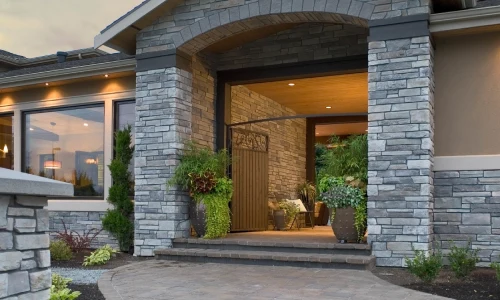
Natural stone and manufactured cultured stone are the two most popular types of stone veneers on the market.
Key Differences Between Cultured Stone And Natural Stone

If you're looking for a unique and striking take on marble tiles, our onyx tiles collection might be just what you need.
What Are Onyx Tiles?