Travertine vs. Marble: Key Differences Explained
2024-04-19
It's a big step out the back door: you've decided to build or remodel a patio. Complementing any landscaping theme and every architectural style. When contemplating landscape patio remodel ideas, one of the initial decisions you'll face is choosing between marble and travertine pavers. Although some might view these two stones as interchangeable, they are, in reality, separate entities with distinctive properties. It's essential to acknowledge that travertine doesn't stem from marble; instead, it represents an entirely different category of stone. Thus, when comparing travertine landscape patio paver to marble patio stone pavers, it becomes apparent that each possesses unique characteristics that render them suitable for distinct patio renovation purposes. A comprehensive understanding of these differences is pivotal in discerning which option better aligns with your specific preferences and requirements.
What is Travertine – And What Does It Look Like?
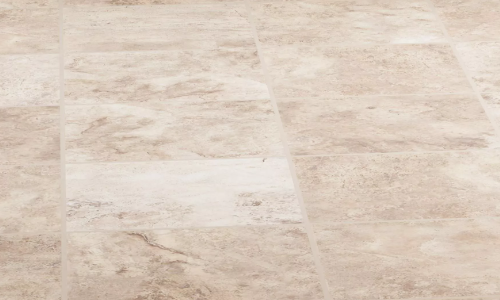
Travertine, a type of sedimentary stone, originates in and around freshwater hot springs. Characterized by a broad spectrum of warm earthy tones, travertine undergoes compression over time, solidifying and developing channels and holes as a result of water and gas expulsion during its formation. When collected for use, travertine is treated to fill these holes, ensuring that it is not overly porous and remains manageable for cleaning.
Travertine gives heat earthy tones with diffused veining, while marble presents a wider range of colours with greater stated veining. Travertine is softer and requires extra maintenance, even as marble is more difficult and extra long lasting, making it best for excessive-traffic areas.
Despite its attractive qualities, travertine pavers, often employed in driveways and various applications, exhibit unexpected softness. This soft characteristic makes the material prone to damage from acidic cleaners, abrasive substances, stains, and scratches. In contrast to alternative materials such as marble, outdoor travertine pavers necessitate more meticulous care. It is imperative to have a thorough understanding of the appropriate cleaning techniques for travertine, as the neglect of minute particles and dust can lead to issues over time. Furthermore, the susceptibility of travertine to damage from heavy objects like furniture and decorations can be mitigated by utilizing soft coasters.

What is Marble – And What Does It Look Like?
Marble is the result of the transformation of sedimentary stones like travertine or limestone subjected to prolonged pressure and heat. Through this process, the stone undergoes recrystallization, becoming denser and more resilient. This metamorphic journey not only enhances its strength but also imparts a beautiful polish that has become synonymous with marble.
Celebrated for its subtle and natural allure, marble brings a restrained elegance to outdoor kitchen installations, imparting gentle shading. The versatility of outdoor marble pavers extends to a spectrum of colors, including greens and reds, providing opportunities for striking accents, particularly when employed as pool deck pavers.
Marble displays a rich array of colors and textures, ranging from a hazy, milky-white to profound blacks or nuanced reds and greens. These variations arise from natural impurities in the earth, imparting a unique appearance to each marble piece. While its aesthetics are exquisite, it's important to note that, akin to limestone, marble may be susceptible to erosion from fumes and water, and certain impurities can influence its durability.
Due to the challenge of splitting marble into uniform blocks, precision in mining is crucial. This factor contributes to the cost of marble but also enhances the distinctive aesthetic of your marble patio pavers. Opting for high-quality marble pavers ensures a resilient and visually appealing solution for your outdoor space.
The Major Differences Between Marble and Travertine
Marble and travertine are both natural stones, often used in construction and interior design, but they differ in several key aspects.
Fundamental variations between Travertine and Marble
Travertine, with its heat earthy tones of beige, tan, and cream, exudes a cozy and herbal atmosphere in any area. The veining in travertine is unassuming, including a touch of allure without overpowering the overall look. In evaluation, marble offers a broader spectrum of colors, from pristine white to smooth gray and bold black, taking into account greater design flexibility. The veining in marble is more outstanding, developing a hanging and complex aesthetic in any room.
Regarding durability and hardness
Travertine is softer than marble, making it greater susceptible to scratches and stains. This makes it much less appropriate for regions with high foot site visitors and common use. Marble, on the other hand, is more difficult and greater resilient, making it a desired choice for surfaces that go through heavy use. Its durability guarantees that marble retains its splendor for a longer length compared to travertine.
In relation to preservation
each travertine and marble require sealing to shield towards moisture and stains. But, the frequency and ease of protection differ among the 2. Travertine needs ordinary sealing to uphold its integrity and save you damage, which can be a extra traumatic challenge. Marble additionally wishes sealing but is normally simpler to maintain due to its hardness and resistance to etching, making it a convenient option for house owners in search of low-upkeep surfaces.
What are the color and veining differences between travertine and marble?
Travertine typically showcases earthy tones like beige, tan, and cream, while marble offers a wider range of colors including white, gray, and black. The veining in travertine is subtle, adding character without being overwhelming, while marble veining is more pronounced, creating a dramatic and elegant look.
How do the durability and hardness of travertine and marble differ?
Travertine is softer than marble, making it more prone to scratching and staining. This makes it less suitable for high-traffic areas. Marble, being harder and more resistant to damage, is a better choice for surfaces that will see a lot of use. Marble's durability also allows it to maintain its appearance for a longer period compared to travertine.
What are the maintenance requirements for travertine and marble?
Both travertine and marble require sealing to protect against moisture and stains. However, travertine needs regular sealing to prevent damage, which can be labor-intensive. Marble, on the other hand, is easier to maintain due to its hardness and resistance to etching, making it a more convenient option for homeowners seeking low-maintenance surfaces.
Is Limestone A Good Floor Tile?
Which Is The Most Beautiful Marble Across The World?
Related Article
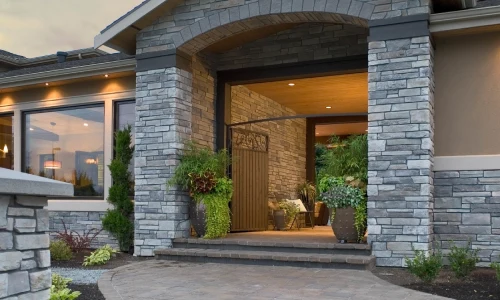
Natural stone and manufactured cultured stone are the two most popular types of stone veneers on the market.
Key Differences Between Cultured Stone And Natural Stone

If you're looking for a unique and striking take on marble tiles, our onyx tiles collection might be just what you need.
What Are Onyx Tiles?