What Is A Outdoor Garden Statue?
2023-12-08
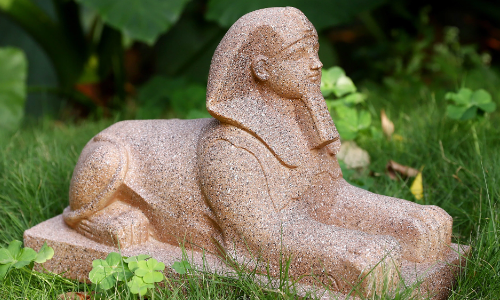
Outdoor garden statues endure exposure to diverse weather conditions and human activities, such as graffiti and skateboarding, necessitating meticulous maintenance and preventive measures. Each geographical region presents unique challenges for the preservation of outdoor sculptures. In Southern California, for instance, the intense sunlight significantly hastens the degradation of commonly applied protective coatings on these artworks.
While outdoor sculpture shares commonalities with other realms of conservation, its distinctive features, such as the substantial scale of artworks, the occasional necessity for significant intervention, and the utilization of industrial equipment, have led to its emergence as a distinct specialization. Although outdoor sculpture is not an entirely autonomous field of study, certain conservators dedicate themselves exclusively to offering guidance and conducting treatments for collections of outdoor sculptures. Notably, there exist notable parallels between the conservation practices applied to outdoor sculpture and those applied to architectural preservation.

History and Significance:
The tradition of placing statues in outdoor spaces dates back centuries, rooted in various cultural and historical contexts. From ancient civilizations to the Renaissance and beyond, outdoor sculptures have been used to commemorate heroes, convey religious beliefs, and celebrate artistic expression. In ancient Greece, for example, statues of gods and goddesses adorned public spaces, embodying the ideals of beauty, strength, and divinity.
Throughout history, outdoor garden statues have not only served as artistic expressions but also played essential roles in shaping landscapes and conveying cultural narratives. In the Renaissance era, sculptors like Michelangelo and Donatello created masterpieces that adorned grand gardens and estates, showcasing the fusion of art, nature, and human achievement.
Forms and Themes:
Outdoor stone garden ornaments come in a myriad of forms, each telling a unique story. From classical figures and mythological characters to contemporary abstract designs, these statues cater to diverse tastes and preferences. Some statues depict human figures in various poses, capturing moments of grace, strength, or contemplation. Others may portray animals, adding a touch of whimsy and nature to the garden.
The themes explored in outdoor stone garden sculptures are as diverse as the cultures that inspire them. Mythological creatures, historical figures, and representations of everyday life find their place in gardens, inviting viewers to engage with the stories these statues convey. Additionally, modern and abstract sculptures challenge traditional norms, providing a contemporary twist to outdoor art.
Materials and Craftsmanship:
The materials used in crafting outdoor modern marble sculpture contribute significantly to their aesthetic appeal and durability. Traditional materials such as stone, metal, and wood remain popular choices for their timeless elegance and ability to withstand outdoor elements. Stone statues, carved from marble or limestone, evoke a sense of classical beauty, while metal sculptures bring a modern, industrial flair to outdoor spaces.
Advancements in technology have expanded the range of materials available, with resin, fiberglass, and concrete emerging as popular choices. These materials offer versatility, allowing for intricate details and innovative designs that might be challenging with traditional materials. Craftsmanship plays a pivotal role, as skilled artisans bring these materials to life through meticulous carving, casting, and sculpting techniques.
Impact on Outdoor Spaces:
The presence of outdoor garden statues transforms ordinary gardens into enchanting spaces that captivate the imagination. Beyond their aesthetic appeal, statues contribute to the overall ambiance of outdoor environments. A well placed statue can serve as a focal point, creating a sense of balance and harmony within the landscape.
Moreover, outdoor statues invite contemplation and reflection, providing a source of inspiration and connection to the surrounding nature. Whether positioned in a formal garden, a sprawling estate, or a cozy backyard, these statues have the power to elevate the outdoor experience, turning a simple stroll into a journey through art and history.
Maintenance and Conservation:
As guardians of outdoor beauty, garden statue owners must consider maintenance and conservation. Exposure to the elements, such as sunlight, rain, and temperature fluctuations, can affect the condition of outdoor sculptures over time. Regular cleaning, protective coatings, and appropriate placement help preserve the integrity of the statues, ensuring they endure for generations.
Advantages
Among the readily available stones, only marble exhibits a subtle translucency, akin to subsurface scattering observed in human skin. This unique quality imparts a visual depth beyond the surface, particularly enhancing the realism of figurative works crafted from marble. Additionally, certain varieties of marble present the advantage of being relatively soft and pliable when freshly quarried, facilitating ease of carving, refinement, and polishing.
Over time, as finished marble sculptures age, they undergo a transformation, becoming harder and more resilient. The choice of marble over the more economical and less translucent limestone is often influenced by the exquisite grain of marble. This fine grain allows sculptors to capture intricate details that might prove challenging with limestone. Notably, marble's exceptional resistance to weathering further distinguishes it from limestone, ensuring durability in various environmental conditions.
In contrast to limestone, marble's weather resistant nature conceals surface changes induced by the immediate surroundings, often escaping notice by the naked eye. While this characteristic speaks to marble's enduring quality, it can present challenges in accurately dating ancient works, as alterations over time may not be readily apparent upon casual observation.
Disadvantages
Sculptors working with marble must exercise caution due to the stone's propensity to absorb skin oils, potentially leading to the development of unsightly yellow or brown stains. While marble exhibits greater resilience compared to limestone, it remains vulnerable to the effects of weak acids, making it less suitable for outdoor environments susceptible to acid rain. In situations demanding heightened durability, granite emerges as a more enduring material, albeit one that poses greater challenges in terms of workability and is less conducive to intricate detailing.
In contrast to metals like bronze, marble suffers from inflexibility and a susceptibility to fracturing. This inherent drawback necessitates sculptors to incorporate specific structural features into their creations to prevent collapse.
In a departure from bronze sculpture, where hollowness is often employed, "The West Wind" is crafted entirely from solid marble. The drapery, forming one cohesive block of marble, exemplifies Gould's intentional design to ensure structural integrity and mitigate the risk of fractures. This deliberate approach to weight distribution and support showcases the sculptor's skillful adaptation to the unique challenges posed by marble as a medium.
Is Marble a Good Kitchen Countertop?
How To Choose A Perfect Backyard Patio Paver Remodel?
Related Article

Natural stone and manufactured cultured stone are the two most popular types of stone veneers on the market.
Key Differences Between Cultured Stone And Natural Stone

If you're looking for a unique and striking take on marble tiles, our onyx tiles collection might be just what you need.
What Are Onyx Tiles?