Why Namibia White Marble Floor Tile Is So Popular
Green environmental protection is the main stream value of the 21st century. In addition to pursuing fashion, humans also have to take on the responsibility of protecting the Earth's resources. The possibility of replacing marble with marble tiles due to environmental pollution risks caused by excavation is to adhere to international quality, ensuring that every product meets natural environmental standards, is radiation free and pollution-free, allowing every consumer to enjoy the pure beauty of nature while also enjoying zero burden of health.
So, Namibia White Marble emerge as the times require.
Namibia White Marble, or we can call it as “Mystery White”Marble from Namibia, Africa, is a stunning natural stone known for its elegant and timeless appearance. It is often used for floor tiles, countertops, and various other architectural and interior design applications. For its appearance, Namibia White Marble features a predominantly white background with subtle gray or beige veining running through it. The veining can vary in intensity, giving each slab a unique and luxurious look.
Regular maintenance is essential to keep Namibia White Marble floor tiles looking their best. It should be sealed upon installation to help protect against stains and spills. Daily cleaning with a pH-neutral stone cleaner and periodic resealing are recommended.
Find by hard and thorough search, Marble is a type of metamorphic rock , consisting of carbonate minerals that recrystallize under the influence of heat, that is prized for its beauty and has been used in various forms for thousands of years in art, architecture, and construction. Here are some key characteristics and uses of marble:
Formation: Marble is formed from limestone that has undergone a process of metamorphism, which involves the recrystallization of minerals under heat and pressure. The impurities and fossils in the original limestone are often replaced by new minerals, giving marble its characteristic veined appearance.
Appearance: Marble is known for its distinctive veined or mottled patterns, which are created by various mineral impurities and the recrystallization process. It can come in a wide range of colors, including white, gray, pink, green, and black.
Durability: Marble is a relatively soft rock compared to some other natural stones like granite. It can be susceptible to scratching and staining, but its durability and resistance to heat make it suitable for various applications.
Uses: Marble has been used for centuries in sculpture, architecture, and interior design. Some common uses include:
Statues and Sculptures: Many famous sculptures throughout history have been carved from marble due to its workability and aesthetic appeal.
Buildings and Monuments: Marble is often used as a building material in the construction of palaces, temples, and monuments. Iconic structures like the Taj Mahal in India and the Parthenon in Greece feature extensive use of marble.
Countertops and Flooring: Polished marble is a popular choice for kitchen countertops and bathroom surfaces. It's also used as flooring in high-end homes and commercial spaces.
Wall Cladding: Marble slabs or tiles are used to cover walls, providing an elegant and luxurious look.
Art and Decor: Marble is used in the creation of decorative items like vases, tabletops, and intricately designed furniture.
Varieties: There are many different types of marble, each with its unique characteristics. Some well-known varieties include Carrara marble from Italy, Calacatta marble, and Statuario marble. These varieties are often named after the quarries or regions where they are found.
Historical Significance: Marble has played a significant role in the history of art and architecture. It was used extensively by ancient civilizations such as the Greeks and Romans, and its use continued into the Renaissance period and beyond.
Sculpting: Many famous sculptures, including Michelangelo's "David" and "Pieta," were carved from marble. The workability and fine texture of marble have made it a preferred medium for sculptors.
Modern Uses: In addition to traditional uses, marble is still widely used in contemporary architecture and interior design for its timeless beauty and elegance.
Marble's unique appearance and historical significance continue to make it a highly sought-after material in various creative and construction applications.
Marble is generally considered a high-end material, so Namibia White Marble can be relatively expensive compared to other flooring options.
Durability: Marble is a natural stone, and while it is beautiful, it is not as hard or durable as granite. It can be susceptible to scratching and staining if not properly sealed and maintained. Therefore, it's important to be cautious with heavy furniture or sharp objects on the floor.
Maintenance: Regular maintenance is essential to keep Namibia White Marble floor tiles looking their best. It should be sealed upon installation to help protect against stains and spills. Daily cleaning with a pH-neutral stone cleaner and periodic resealing are recommended.
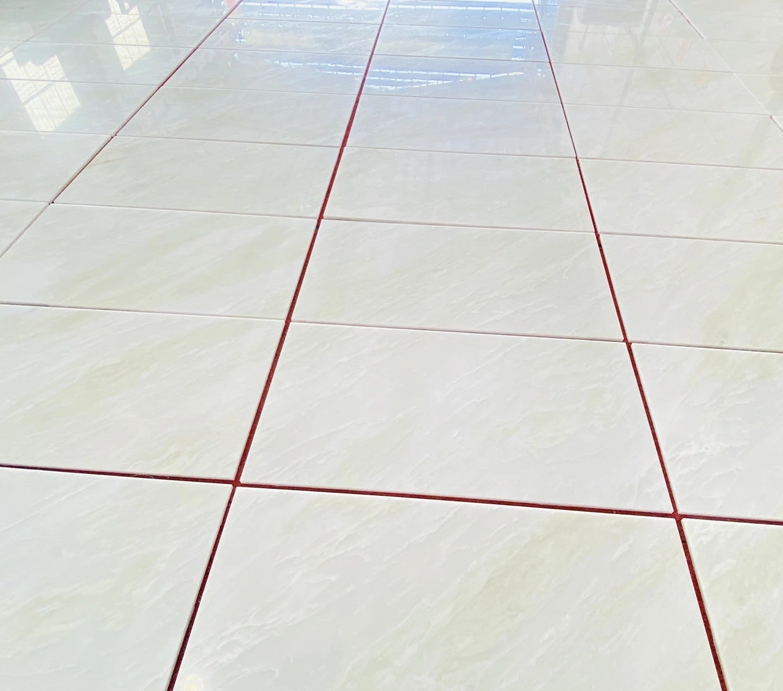
The cost will depend on factors such as the quality of the stone, thickness of the tiles, and your location. But Proper installation by experienced professionals is crucial to ensure the longevity and stability of the marble floor. This includes preparing the subfloor, using the right adhesives, and carefully laying the tiles to achieve a level and even surface.
Namibia White Marble can be incorporated into various design styles, from classic to modern. Its timeless beauty and versatility make it a popular choice for creating elegant and sophisticated spaces.
The availability of Namibia White Marble may vary depending on your location and the suppliers in your area. It's advisable to contact local stone suppliers or distributors to inquire about the availability and pricing.
The distinctive appearance of "Mystery White" Marble makes it suitable for a range of design styles, from classic and traditional to modern and contemporary. Its unique veining and patterns can add character and elegance to interior spaces.
When considering Namibia White Marble or any marble type for your floor tile project, it's essential to weigh the aesthetic appeal against the maintenance requirements and potential durability issues. Additionally, consulting with a professional installer and obtaining samples to see how the marble will look in your specific space is advisable to make an informed decision.
If you choose us--Leeste, we will never dispointed you.
Why You Should Choose Bianco Carrara Marble Slab?
Do you really know about yellow honey onyx marble?
Related Article